
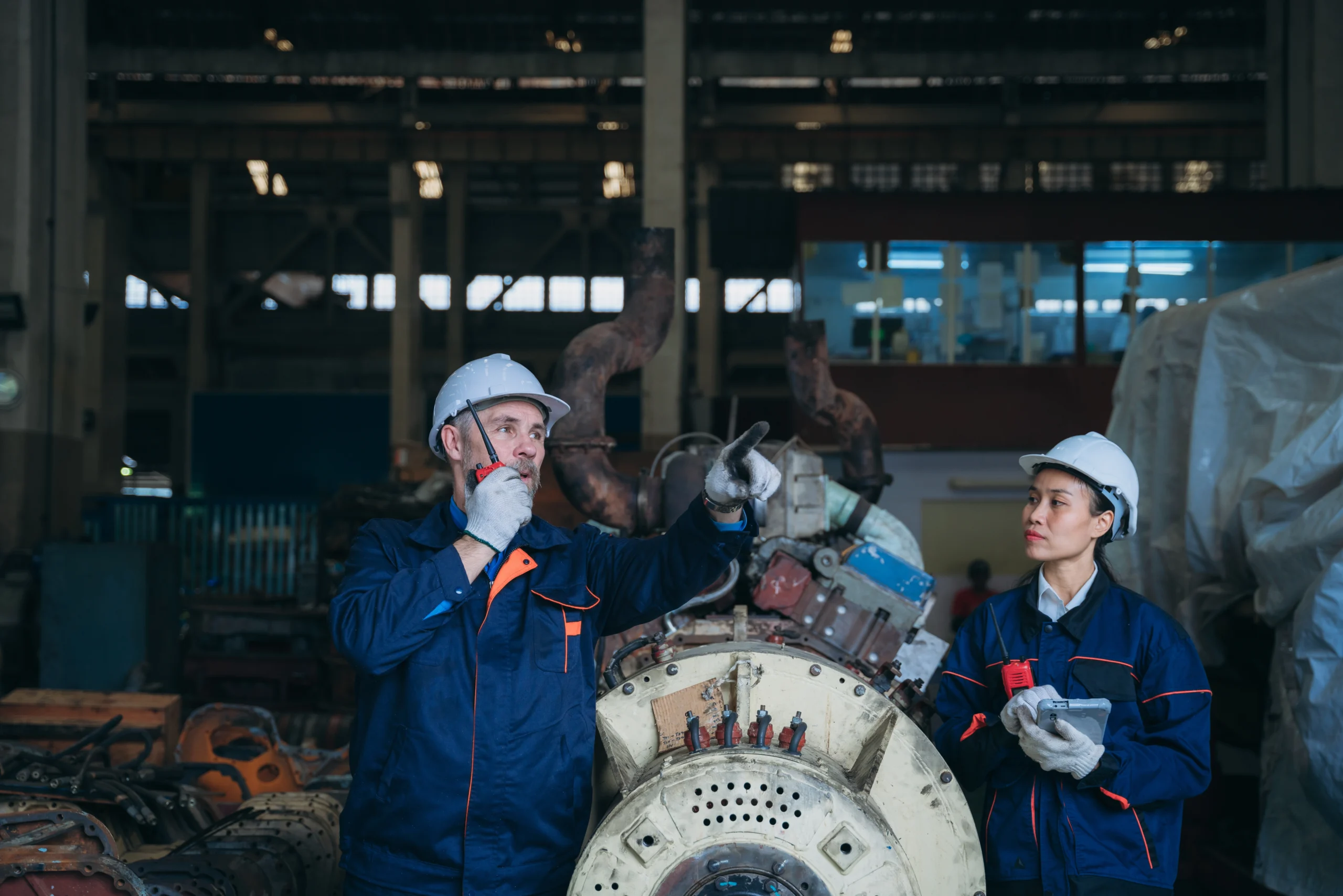
The backbone of Turkey’s thriving industrial economy is its blue-collar workforce. Millions of factory and production line workers power the country’s manufacturing, export, and logistics sectors. As of October 2025, the compensation structure for factory workers reflects the effects of Turkey’s sharply rising minimum wage, persistent inflation, and strong labour demand in industrial hubs like Istanbul, Izmir, Bursa, and Ankara.
This 2025 salary guide compiles verified data from government announcements, compensation databases, and recruitment sources to provide an accurate overview of what factory workers in Turkey are earning and what’s driving those wages today.
The 2025 Minimum Wage Baseline
The single most influential factor in Turkey’s factory worker compensation in 2025 is the government-mandated minimum wage. Effective January 1, 2025, Turkey implemented a major increase:
- Gross Monthly Minimum Wage: ₺26,005.50
- Net Monthly Minimum Wage: ₺22,104.67
This 30% rise over the previous year has raised the floor for all blue-collar wages. For many entry-level factory workers, starting salaries align closely with this figure. However, in practice, actual entry pay in manufacturing often exceeds this baseline due to labour shortages and competition for trained workers. The minimum wage therefore functions as a national floor, not an average.
National Average Salary and Pay Band
The average gross annual salary for a factory worker in Turkey is approximately ₺394,000–₺456,000, depending on the sector and region. This translates to a monthly gross salary of ₺33,000–₺38,000, or roughly ₺28,000 net after deductions.
This national average represents a wide pay band, reflecting substantial variation across experience levels, job types, and industries. Most workers fall within a gross annual range of ₺299,000 to ₺458,000, though top performers in specialized technical or supervisory roles can surpass ₺585,000 annually.
Experience and Specialization: The Core Drivers of Pay
Experience and skill specialization remain the strongest predictors of wage growth in Turkish manufacturing.
Entry-Level Workers (1–3 years)
New hires typically earn between ₺25,000 and ₺30,000 gross per month, with annual earnings averaging around ₺337,000–₺360,000. These workers handle basic assembly, packaging, or machine operation under supervision.
Mid-Level Workers (4–7 years)
Experienced operators or technicians capable of troubleshooting equipment or managing production lines typically earn ₺38,000–₺45,000 gross monthly, with annual earnings approaching ₺480,000.
Senior Workers and Supervisors (8+ years)
Highly experienced or supervisory-level factory employees (such as foremen, quality inspectors, or machine team leads) can command gross annual salaries of up to ₺585,000, roughly ₺49,000–₺58,000 per month. This marks a 50%+ premium over entry-level roles, underscoring the value of experience and reliability in Turkey’s industrial workforce.
Specialized Technical Roles
Skilled trades such as welders, iron binding masters, CNC operators, and mechanics earn at the upper end of the pay spectrum, often exceeding ₺600,000 gross annually in competitive sectors like automotive or heavy machinery manufacturing.
Regional Salary Variations: The Urban Premium
Turkey’s industrial geography drives substantial pay differences between regions.
Istanbul remains the nation’s highest-paying manufacturing hub. Average factory worker salaries reach about ₺487,000 gross per year, nearly 28% above the national average. This premium compensates for Istanbul’s high cost of living and fierce competition for skilled labour in its extensive industrial zones.
Izmir and Ankara also offer strong pay, averaging around ₺490,000–₺498,000 gross annually for experienced factory personnel. Both cities host major manufacturing clusters: Izmir in textiles and port logistics, Ankara in machinery and defence.
Bursa, Kocaeli, and Sakarya, known for automotive and metalworking industries, feature highly competitive wages aligned with export performance. In contrast, smaller inland provinces such as Konya, Gaziantep, or Kayseri maintain lower salary levels, closer to the national mean of around ₺400,000 gross annually.
Overall, major urban and coastal areas pay 15–30% more than rural or smaller industrial zones due to higher living costs and skill shortages.
Private Sector Dynamics and Benefits
Most Turkish factory workers are employed by the private sector, which is driven by market competition rather than fixed government scales. To attract and retain reliable workers, private factories frequently offer not only higher base salaries but also additional financial and in-kind benefits that boost total compensation.
These include:
- Overtime Pay: Legally required at elevated rates for hours beyond the standard 45-hour workweek.
- Shift Differentials: Added pay for night, rotating, or weekend shifts, common in 24-hour production plants.
- Annual Bonuses (İkramiye): Many employers offer mandatory or performance-based bonuses equivalent to one month’s salary per year.
- Meal and Transportation Allowances: Widely provided in urban industrial areas to offset daily commuting and food costs.
- Insurance and Social Security Coverage: Fully mandated by Turkish labour law, ensuring pension and health protections.
These benefits can collectively raise a worker’s total effective income by 10–20% beyond their base salary.
Economic Factors Influencing 2025 Pay Levels
Several verified macroeconomic and labour market dynamics define the 2025 wage landscape:
- Inflation Pressure: Despite stabilization efforts, Turkey’s inflation remains high in 2025, compelling employers to maintain upward wage adjustments to preserve purchasing power.
- Export Demand: Manufacturing exports, especially automotive, textiles, and machinery, continue to grow, fueling job creation and competition for factory labour.
- Labour Shortages: Younger workers increasingly prefer service-sector jobs, forcing industrial employers to raise wages to fill factory roles.
- Government Policy: The large 2025 minimum wage increase cascades through pay scales, indirectly lifting wages even in mid-tier positions.
- Wage Index Growth: The national manufacturing wage index reached 1,059.51 in Q2 2025, reflecting ongoing wage growth across the sector.
2025 Outlook: A Strong Year for Blue-Collar Compensation
The 2025 minimum wage hike, coupled with ongoing industrial expansion and strong labour demand, is expected to sustain upward pressure on wages across the manufacturing sector. Employers are increasingly competing to attract and retain skilled workers, particularly in export-driven industries such as automotive, textiles, and electronics. As a result, factory workers can anticipate not only higher base pay but also improved benefits, training opportunities, and job stability.