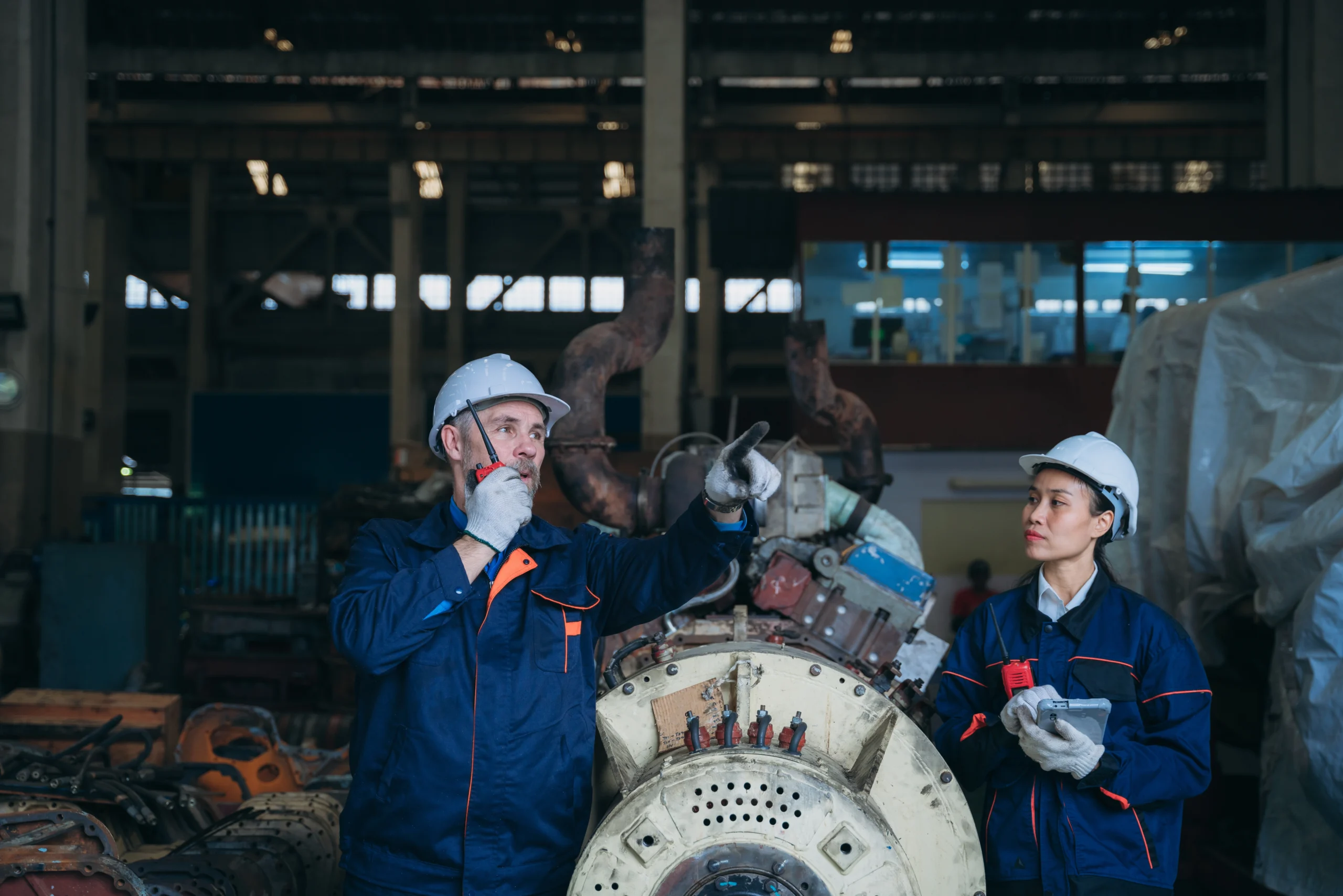

For global HR teams and startup founders, hiring factory workers in Turkey offers an opportunity to combine cost-efficient labor with a skilled manufacturing workforce in a prime logistics location. Turkey’s manufacturing sector, supported by its strategic position between Europe and Asia, continues to attract companies looking to expand production or build new supply chain hubs.
From textiles and automotive to food processing and electronics, the Turkish labour market is diverse, experienced, and adaptable. But to succeed in factory recruitment in Turkey, employers must understand local labour laws, recruitment channels, cost structures, and workplace culture.
Why Hire Factory Workers in Turkey?
Three core advantages make Turkey’s manufacturing workforce stand out.
1. Strategic location – Turkey’s position offers direct access to European, Middle Eastern, and North African markets, supported by modern ports, rail links, and highways. This shortens lead times and reduces logistics costs.
2. Skilled labour pool – Turkey’s vocational education system produces thousands of technically trained workers annually. From CNC machine operators to quality control technicians, skilled workers in Turkey adapt quickly to new technologies and processes.
3. Competitive labour costs – As of 2025, the gross monthly minimum wage stands at 26,005.50 TRY. Skilled factory workers in industrial hubs such as Bursa, Izmir, and Gaziantep typically earn more, yet still cost significantly less than their Western European counterparts.
Combined, these factors position Turkey as a cost-effective, skill-rich manufacturing destination.
Understanding Labour Laws in Turkey
Hiring factory workers in Turkey requires compliance with Labour Law No. 4857 and related legislation.
- Work permits – All foreign nationals need employer-sponsored permits, initially valid for one year. Regulations require companies to employ at least five Turkish citizens for each foreign worker.
- Employment contracts – Must outline job title, salary, hours, and termination terms. While indefinite contracts are most common, fixed-term contracts must be in writing.
- Working hours – The standard workweek is 45 hours, with daily limits of 11 hours. Overtime is capped and paid at higher rates.
- Social security registration – Employers must register employees with the Social Security Institution (SGK) from day one and contribute around 20–23% of gross wages.
- Termination – Notice periods and severance apply for employees with at least one year of service.
Understanding labour laws in Turkey from the outset helps avoid costly compliance issues and ensures smooth operations.
Recruitment Channels for Turkish Factory Workers
Finding the right Turkish factory workers involves a blend of modern platforms and relationship-based hiring.
- Online job boards – Kariyer.net targets a broad audience, while Eleman.net specializes in blue-collar and skilled trades.
- Government services – İŞKUR, Turkey’s national employment agency, offers free recruitment services and a large candidate database.
- Private recruitment agencies – Both global firms like ManpowerGroup and local specialists can manage large-scale or urgent hires.
- Vocational school partnerships – Many factories collaborate directly with vocational high schools and technical colleges, securing a steady talent pipeline.
For startups and global teams, combining digital channels with local networking often yields the best results in factory recruitment in Turkey.
Where to Find Skilled Workers in Turkey
Turkey’s industrial regions influence hiring strategies:
- Marmara Region – Automotive, electronics, textiles
- Aegean Region – Textiles, food processing, agricultural manufacturing
- Central Anatolia – Machinery, chemicals, food production
Most factory workers in Turkey speak Turkish, with English more common in supervisory roles. Workplaces tend to be hierarchical, and respect for authority is a strong – important cultural factor to consider during recruitment and onboarding.
Workplace Safety and Employee Benefits
Manufacturing in Turkey is subject to strict occupational health and safety (OHS) rules. Employers must:
- Appoint safety specialists and workplace physicians
- Conduct regular risk assessments
- Provide personal protective equipment
Many employers go beyond legal requirements to improve retention—offering free meals, company shuttles, uniforms, or skill development programs. Such measures can reduce turnover and make your Turkey factory jobs more attractive.
Cost Structure for Hiring Factory Workers
Total employment costs in Turkey include:
- Base salary
- Social security contributions
- Overtime premiums
- Benefits (transport, meals, uniforms)
- Recruitment and onboarding expenses
Even with these additions, hiring factory workers in Turkey remains 40–60% more affordable than in many Western markets, especially when factoring in productivity and loyalty.
Managing Turkish Factory Workers Effectively
Cultural understanding plays a key role in managing a Turkish manufacturing workforce:
- Workers expect clear, directive management.
- Personal rapport matters—small gestures like sharing tea can build trust.
- Loyalty is often tied to stability and fairness.
Balancing efficiency with relationship-building can turn Turkish factory workers into long-term, committed team members.
Challenges and How to Overcome Them
- Language barriers – Hire bilingual supervisors or offer language training.
- Turnover in certain regions – Improve welfare, transport, and shift scheduling.
- Complex compliance rules – Work with local HR consultants or a Professional Employer Organization (PEO).
- Skill gaps – Partner with vocational schools for tailored training programs.
Using a PEO or EOR in Turkey
If you don’t have a legal entity in Turkey, a PEO or Employer of Record (EOR) can act as the official employer, handling contracts, payroll, compliance, and onboarding. This is especially useful for startups testing the market before establishing direct operations.
From Recruitment to Onboarding
A streamlined process for hiring factory workers in Turkey includes:
- Defining the role and required skills
- Sourcing candidates via online platforms, agencies, or schools
- Screening and interviewing
- Offering contracts in both Turkish and English
- Completing work permit applications if needed
- Registering with SGK and tax authorities before the start date
- Providing safety training and assigning workplace mentors
Final Takeaway
For global HR teams and startup founders, hiring factory workers in Turkey combines skilled labour, competitive costs, and strategic market access. Success requires legal compliance, cultural adaptability, and a strong employee value proposition.
By understanding the Turkish labour market, building the right recruitment strategy, and fostering long-term worker loyalty, companies can turn Turkey’s manufacturing potential into a true competitive advantage.
Looking for Top Talent in Turkey? Below is your ticket to top staffing solutions. From the boardroom to the factory floor.